Most people don’t think about steam. You don’t see it. You don’t hear about it much. But in many industries, it does critical work every single day.
If you’re running a plant, a facility, or any kind of operation that depends on heat, pressure, or cleaning, there’s a good chance you’re relying on a steam boiler to keep things moving.
And when that system stops working? Everything else usually follows.
Why Steam Systems Matter So Much
Steam is one of the most effective ways to move heat where it’s needed. That’s why it shows up across so many industries:
- Manufacturing
- Food processing
- Pharmaceuticals
- Corrugating
- Hospitals
- Chemical plants
A properly designed industrial steam boiler keeps processes consistent, efficient, and reliable. And one important thing to understand right away: Steam pressure isn’t just about distribution. It directly determines temperature.
For example:
- At 10 psi, steam is around 240°F
- At 200 psi, it’s closer to 390°F
If your process needs higher temperatures, you need higher-pressure steam. That’s why many facilities depend on systems built by experienced high-pressure steam boiler manufacturers, because getting the right pressure means getting the right result.
What Actually Happens When a Steam Boiler Stops Working
When a steam boiler goes down, it’s not a small issue. It affects the entire operation.
- Production Stops
Most processes rely on steady heat and pressure. Without steam:
- Lines shut down
- Equipment won’t run
- Production can’t continue
In industries like pharmaceuticals or corrugating, even short interruptions can cause major delays.
- Costs Start Adding Up Immediately
Downtime isn’t just inconvenient. It’s expensive. No steam means:
- Lost production
- Missed deadlines
- Idle equipment
And the longer it goes on, the worse it gets.
- Efficiency Drops Fast
Even before a full shutdown, systems often show signs of trouble:
- Higher stack temperatures
- Reduced Steam output
- Increased water carryover
These issues waste energy and reduce output, which is why experienced industrial boiler companies focus on system performance rather than just fixing breakdowns.
What’s Really Going On Inside the System
A lot of steam system problems come down to what’s happening inside the boiler itself.
Total Dissolved Solids (TDS)
All boilers collect impurities in the water. These are called Total Dissolved Solids, or TDS. If TDS isn’t controlled, it can lead to:
- Scale buildup
- Reduced heat transfer
- Water carryover into the steam
Traditional boiler designs typically need to keep TDS levels relatively low, around 3,000, to avoid these issues. But not all systems operate the same way.
Clayton steam generators are designed to handle much higher TDS levels, up to around 8,500. That higher tolerance means the system doesn’t need to remove as much water to stay in balance.
Blowdown: The Hidden Cost
To control TDS, boilers use a process called blowdown, which removes water from the system to get rid of impurities.
But here’s the tradeoff – every time you blow down a boiler, you’re also sending heat, water, and treatment chemicals straight to the drain.
The more blowdown required, the more energy and resources are wasted.
A Smarter Approach to Blowdown
Traditional systems rely on surface and bottom blowdown directly from the boiler.
Clayton systems take a different approach.
Instead of removing large volumes of heated water, the system targets the most concentrated impurities from the steam separator. This allows for significantly less blowdown, often a fraction of what traditional systems require.
That means:
- Less wasted energy
- Lower water usage
- Reduced chemical costs
It’s a more efficient way to manage what every industrial steam boiler has to deal with.
Why System Design Matters
Not all steam systems are built the same.
A system that’s oversized, undersized, or poorly matched to the application will struggle, no matter how well it’s maintained.
That’s why working with an experienced industrial steam boiler manufacturer matters.
Good design upfront helps ensure:
- Proper pressure for the process
- Stable operation
- Long-term reliability
- Lower operating cost
When a system is properly designed for the application, it avoids many of the inefficiencies that drive up costs over time. The result is a system that runs more predictably, requires fewer adjustments, and supports consistent performance across the operation with fewer losses built into the system.
Modern Systems Reduce the Burden on Your Team
Another important shift in modern steam systems is how they’re operated.
Many facilities are dealing with limited staffing and increasing demands. Systems that require constant oversight can slow things down and tie up resources.
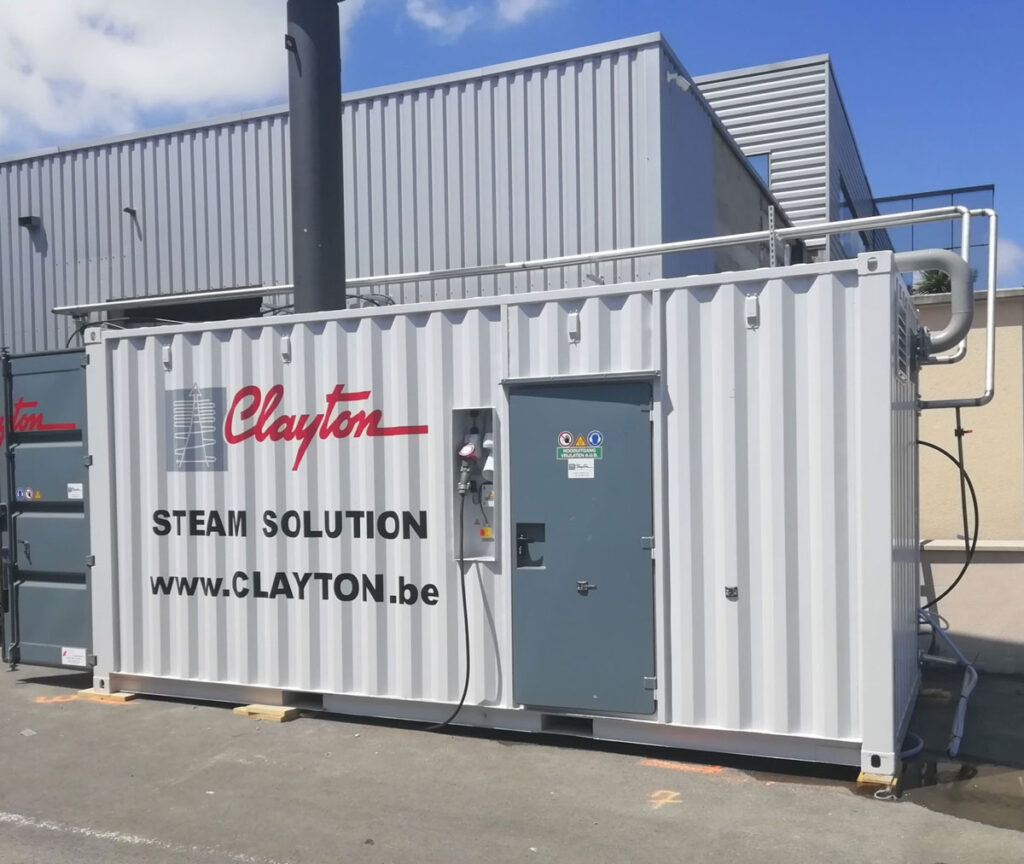
Depending on local regulations, modern Clayton systems can operate without a dedicated boiler operator, freeing up key personnel to focus on other parts of the operation.
For facilities that do require oversight, the role becomes simpler and more manageable.
The Real Cost of a Steam Boiler Breakdown in Industrial Operations
When a steam boiler or industrial steam boiler fails, the impact goes far beyond the cost of a repair. A breakdown affects production, energy use, labor, and overall plant performance. For many facilities, it quickly turns into one of the most expensive events they can face.
Here’s how those costs add up:
- Lost Production
Every hour of downtime means lost output. In facilities that rely on a steam boiler for heating, sterilization, or processing, operations often can’t continue without it. That leads to:
- Missed production targets
- Delayed orders and shipments
- Idle equipment and crews
For industries like food processing, pharmaceuticals, and corrugating, even a short outage can disrupt entire schedules and supply chains.
- Emergency Repairs
Unplanned repairs are almost always more expensive than scheduled maintenance. When a system goes down unexpectedly, facilities often need:
- Rush parts and expedited shipping
- Overtime labor
- Immediate service from an industrial boiler company
These situations leave little room to control costs. Working with experienced industrial boiler companies can help reduce the likelihood of emergency repairs, but when they happen, they tend to come at a premium.
- Higher Energy Use
A failing or inefficient industrial steam boiler does not operate at peak performance. Even before a full breakdown, systems may:
- Burn more fuel to maintain pressure
- Struggle to deliver consistent temperatures
- Lose heat through inefficiencies in the system
This increased fuel consumption drives up operating costs and reduces overall efficiency. Over time, those losses can be significant.
- Resource Waste
Steam system inefficiencies also lead to wasted resources. One of the biggest contributors is excessive blowdown. When TDS levels are not managed efficiently, more water must be removed from the system, which means:
- More heated water is sent to the drain
- Increased water usage
- Higher consumption of treatment chemicals
This is an area where system design matters. Solutions from a proven industrial steam boiler manufacturer can reduce blowdown requirements and improve overall efficiency.
- Labor and Operational Disruptions
A breakdown doesn’t just affect equipment – it impacts your team as well. When a steam boiler goes down:
- Key personnel are pulled away from other responsibilities
- Maintenance teams are forced into reactive mode
- Production planning becomes unpredictable
Facilities that rely on older systems often feel this strain more heavily, especially when constant oversight or manual adjustments are required.
- Long-Term Cost Impact
The cost of a breakdown doesn’t always end when the system comes back online. Ongoing effects can include:
- Reduced equipment lifespan
- Increased maintenance frequency
- Lower overall system efficiency
That’s why many facilities are rethinking their approach and working with experienced high-pressure steam boiler manufacturers and industrial boiler companies to improve both reliability and efficiency.
Why Efficiency and Reliability Go Hand in Hand
Reducing breakdowns isn’t just about preventing failure. It’s about improving how the entire system performs day to day. industrial steam boiler manufacturer focus on:
- Optimizing system design
- Reducing energy waste
- Improving steam quality and consistency
Working with a trusted industrial steam boiler manufacturer helps ensure that your system is built to handle real operating conditions, not just ideal ones.
How to Avoid These Problems
Most steam system issues don’t happen overnight. They build over time.
- Stay on Top of Maintenance
Simple steps make a big difference:
- Monitoring system performance
- Keeping components in good condition
- Addressing small issues early
- Look at the Whole System
The boiler is just one part. Performance depends on:
- Distribution
- Heat use
- Condensate return
A strong industrial boiler company looks at the full system, not just one component.
- Upgrade When It Makes Sense
Older systems can only go so far. Newer designs from experienced high-pressure steam boiler manufacturers offer:
- Better efficiency
- Lower operating costs
- Improved performance
A Smarter Way to Improve Efficiency
For facilities looking to get more out of their steam systems, understanding where energy is being lost is key. That’s where services like an Energy Savings Analysis can help.
By evaluating how the system is operating, it becomes easier to identify:
- Where efficiency can improve
- Where resources are being wasted
- What changes will have the biggest impact
Why Reliable Steam Boiler Systems Matter for Industrial Performance
Steam systems might run in the background, but they’re doing essential work every single day across your operation. When a steam boiler goes down, the impact is immediate:
- Production slows or stops
- Operating costs rise
- Small issues turn into bigger problems fast
That’s why choosing the right system and the right partner matters. Working with experienced industrial boiler companies and a proven industrial steam boiler manufacturer helps ensure your system is built for reliability, efficiency, and long-term performance.
At Clayton Industries, the focus is on helping facilities run smarter, not harder. From high-efficiency steam generators to advanced system design, Clayton solutions are built to reduce downtime, improve performance, and lower operating costs.
For facilities looking to take it a step further, Clayton also offers Energy Savings Analysis services, helping identify where your system may be losing efficiency and where improvements can make the biggest impact. Because when your steam system is designed and supported the right way, everything else runs a whole lot smoother.