
Textile Industry
Home > Industries > Textile
Clayton Industries Supports the Textile Industry
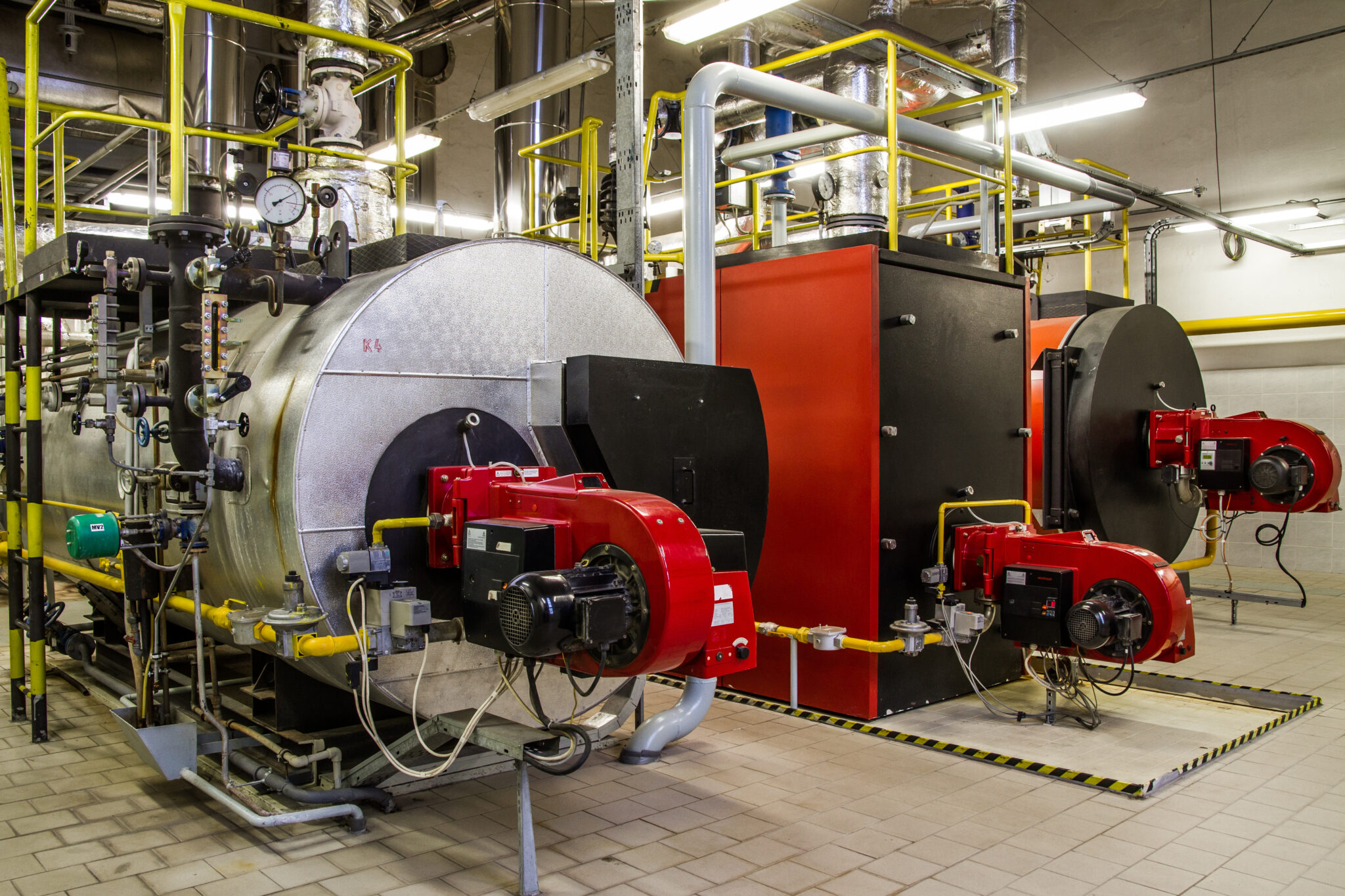
If you make clothing, yarn for knitting, seat fabric for cars or high-end fashion material, you will need an efficient boiler for hot water and high temperature steam. There are a number of applications within the process which will require Steam, making it an essential part of the process.
It begins with the pre-treatment phase, one of the most important stages in textile manufacturing, which involves the removal of dirt or impurities from the fabric, while whitening it. This pretreatment stage also increases the materials absorbency preparing it for the dyeing and printing stage.
Next comes dyeing and printing, or wet processing, which involves adding pigments or dyes to fabrics to color them. Even though dyeing can occur at any stage during the process, it primarily occurs after the yarn manufacturing or fabric manufacturing stage is completed. The transfer of dye, or introduction of color to the fabric, requires a precise amount of moisture and heat provided by steam. It is during this finishing stage that chemical properties such as anti-pill, soil release, flame retardant, and others may be added to enhance the fabric quality. Steam at a controlled and specific temperature is required to dye the fabric in exact color.
Up next is printing. The printing stage is similar to dyeing, but rather than one solid color being added, patterns or designs are added to the fabric. Steam and heat prepare the ink and help it to penetrate and adhere to the fabric.
The last step in the process is designing and sewing the final garments. This is followed by spot removal and ironing, a process that once again demands a constant supply of steam, before packaging and transport to end users.
Throughout the process high quality clean steam is required at a steady constant pressure. Installing a Clayton Steam Generator which can quickly respond to fluctuating load demands is paramount. Many plants do not operate constantly, so a boiler which can be started and stopped quickly or shut down overnight is a huge cost saving, making Clayton’s rapid starting steam generators a perfect choice for the industry.

Key Benefits
Rapid Response
Trust in Clayton’s Steam Generators to keep up with your production, ramping up to match surges in steam demands and tapering off as your demand falls, all without sacrificing steam quality.
Quality Steam
Clayton’s mechanical steam separator delivers steam with less than a single percentage of moisture content, and completely free of contaminants, making them ideal for use in the textile industry.
Quick Start
With full steam output in under ten minutes, start your steam generator when you need it and shut it down when don’t, saving you the cost associated with leaving a boiler on constant hot standby.
Featured Case Study
Darn Tough Vermont Streamlines Production with Right-Sized Steam Technology
Against the Green Mountains in Northfield, Vermont, family-owned Cabot Hosiery Mills has been knitting premium socks for more than 40 years. The company has built a global reputation making something surprisingly complex: socks. But not just any socks — Darn Tough Vermont® socks. Darn Tough Vermont streamlined its operations by consolidating knitting and sock finishing under one roof at the Original Mill in Northfield. After advancements in the finishing process made this possible, the company partnered with Clayton Industries to replace two large 100 BHP fire-tube boilers with two compact 50 BHP Clayton Steam Generators equipped with Super Economizers.

Frequently Asked Questions
Steam boilers supply heat for fabric pretreatment, dyeing, printing, and finishing. They also support hot-water production, garment pressing, and ironing. Different stages require different steam conditions, so the system should match the factory’s equipment, production schedule, and fabric processing requirements.
Steam supplies the heat needed to maintain the temperature conditions specified for dyeing. Consistent heating helps manufacturers follow their dyeing recipes and achieve repeatable results. The required temperature and heating profile depend on the fiber, dye chemistry, and equipment used.
In textile printing processes that require steaming, controlled heat and moisture help dyes penetrate and become fixed in the fabric. Requirements vary with the ink or dye system and fiber type. The steam supply must support the printing equipment’s specified processing conditions.
Garment finishing depends on controlled heat and moisture to produce the intended shape and feel. Excess moisture or inconsistent steam delivery can disrupt results. Clayton’s Darn Tough Vermont case study describes how repeatable steam conditions help set sock fibers and knit structures during boarding.
There is no single pressure suitable for every textile process. Dyeing machines, finishing equipment, and garment presses have different requirements. Select the boiler pressure using the required conditions at each machine, allowing for distribution losses and pressure-control equipment. Follow the machinery manufacturer’s specifications.
Calculate the steam demand of machines operating simultaneously, including batch heating and startup peaks. Assess minimum demand, production schedules, and planned expansion. Sequencing steam-intensive operations may reduce peak demand, so review how equipment operates together before choosing boiler capacity.
Yes, if the combined capacity and operating range meet the factory’s demand. Multiple units can provide flexibility during production changes and maintenance. Clayton’s Darn Tough project specified two 50 BHP generators. The capacity available during maintenance depends on how much steam the remaining unit can supply.
Effective condensate drainage supports reliable heating and helps prevent water hammer. Poor drainage can interfere with machine performance and increase downtime. In a textile machinery case study, Spirax Sarco reports that steam-system and drainage improvements reduced heating and cooling process time by 15% for that installation.
Yes, when no connected process needs steam and the system can restart in time for production. Clayton identifies fast startup as a benefit for textile plants with intermittent schedules. Confirm the selected model’s startup time and allow additional time for piping and processing equipment to warm up.
Match boiler capacity to measured demand, recover suitable hot condensate, and evaluate economizers to capture otherwise wasted heat. Avoid unnecessary standby operation where production allows. Compare options using actual fuel costs, operating hours, load profiles, and maintenance requirements rather than rated efficiency alone.
Contact a Clayton Representative