
Pharmaceutical Industry
Home > Industries > Pharmaceutical
Clayton Industries Supports the Pharmaceutical Industry
The pharmaceutical industry is a multi-trillion dollar industry, responsible for the development and manufacturing of medications to treat a wide range of diseases and conditions. Steam has long played a crucial role in this industry, specifically in the production process.
An important aspect in Pharmaceuticals is sterilization. With an industry dedicated to the curing and prevention of diseases, a manufacturing space that is clear of contamination is absolutely vital. Since steam is able to efficiently kill microorganisms, steam, is used to treat practically everything in the manufacturing process, from equipment, instruments, containers, and even packaging, which is critical to product quality and safety. This extended to industry standard CIP, or Clean in Place systems, providing a constant sterilization of everything on the manufacturing line.
Steam also shows up in heating, where it provides precise temperature control for chemical reactions, mixing, and formulation, which is typically achieved through the form of jacketed kettles. It also shows up during the drying process after production, where it can be used to dry the product completely, or to help it create an ideal moisture content, depending on the application. Another often overlooked aspect of steam in the industry is in the use of creating WFIs, or Water For Injection, where steam is used to create distilled water for use in the production of injectable drugs. Additionally, this extends to humidification and heating, so that production can take place in ideal conditions, as well as prevent degradation of any sensitive products.
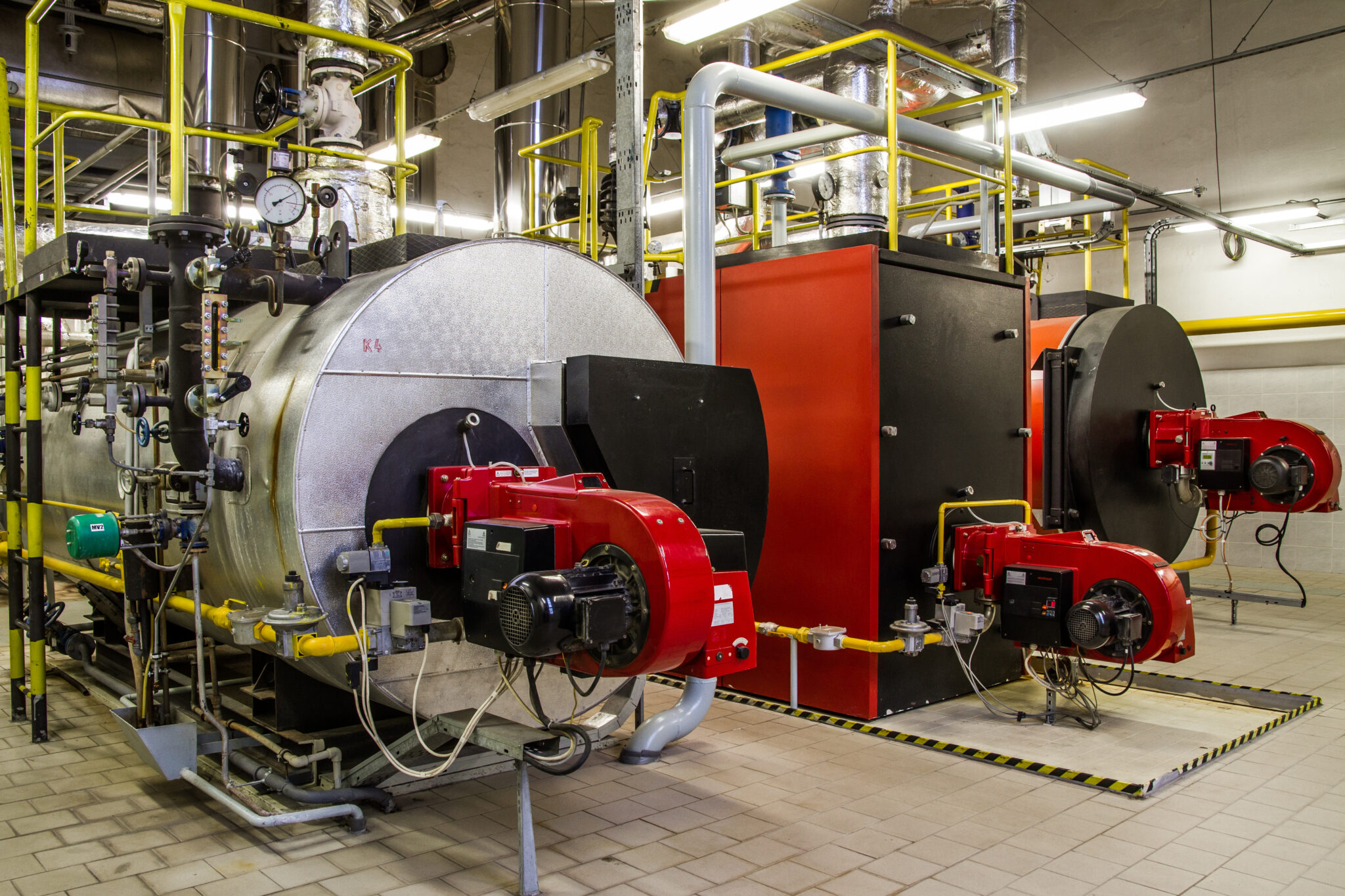
With an industry with so many applications, you want a boiler that will be up to the task, regardless of how much steam you need. With its quick start and ability to rapidly adapt to changing load conditions, the Clayton Steam Generator has long been the product of choice for the world’s leading pharmaceutical manufacturers.

Key Benefits
Clean Steam
Clayton’s mechanical separator is able to produce sterile steam in excess of 99% dryness, making it ideal for sanitization processes and ensuring products, tools, and machinery can meet regulatory standards.
Quick Starting
Clayton Steam Generators can achieve full output in under ten minutes from a cold start, coming online when you need them and eliminating the need for a boiler on standby.
Rapid Response
Clayton’s steam boilers are able to respond to the highs and lows of your production cycle, able to rise and fall with your current demands without sacrificing steam quality.
Featured Case Study
Steam For Pharmaceutical Processes.
Clayton Steam Generators now operate at one of Europe’s largest science and technology parks where ground breaking research and manufacture is being carried out.
Discovery Park in Sandwich, Kent is where Pfizer’s most important lifesaving and life changing medicines were developed and is the home of Pfizer’s unique solid and liquid dose pilot plant production and manufacturing.
The site includes a wide variety of facilities such as laboratories, incubator space, specialist manufacturing, R&D facilities as well as warehouse and commercial office space.
It is because of the diverse range of process that are conducted at Discovery Park that the Clayton Steam Generators were chosen by Pfizer to serve the entire facility.

Frequently Asked Question's
Steam boilers supply heat for pharmaceutical processing, including jacketed vessels, formulation, drying, and building heating. Steam also supports sterilization and certain pharmaceutical water-production systems. Each application requires an appropriate steam grade, particularly where steam contacts products or product-contact equipment.
Plant steam comes from an industrial boiler and may contain treatment chemicals or contaminants from distribution piping. Clean steam is generated using specially treated feedwater and dedicated equipment designed to control contamination. The appropriate steam grade depends on the process and its specified purity requirements.
No. Steam dryness measures the proportion of vapor versus liquid water; it does not establish chemical purity or suitability for pharmaceutical use. A moisture separator improves dryness, but pharmaceutical steam specifications must also address contamination, generation equipment, distribution materials, and the intended application.
Yes. In a steam-heated clean steam generator, industrial steam supplies heat through a heat exchanger to a separate treated-water circuit. This arrangement allows the plant boiler to provide heating energy while the secondary system produces steam to its specified quality requirements.
Effective steam sterilization requires steam to contact the load under controlled conditions. Trapped air can prevent that contact, while excess moisture can create drying problems. Reliable sterilization therefore depends on suitable steam quality, effective air removal, and a validated cycle appropriate for the equipment and load.
There is no single steam pressure suitable for every pharmaceutical process. Jacketed vessels, autoclaves, and steam-heated generators have different requirements. Select boiler pressure using the equipment specifications, required pressure at each point of use, and distribution losses. Sterilization conditions must follow the validated process.
Determine the steam demand of equipment operating simultaneously, including processing vessels, sterilizers, and any steam-heated clean steam generators. Evaluate startup peaks, normal consumption, minimum demand, and required pressure. Production schedules, future expansion, and backup capacity also influence the appropriate boiler size and number of units.
Clayton steam generators adjust feedwater flow and heat input to respond to changing loads. Its Discovery Park case study describes pharmaceutical research and manufacturing demand varying throughout the day, including sudden requirements from large autoclaves. Correct system sizing remains essential when several processes require steam simultaneously.
Clayton states that its steam generators can reach full output in under 10 minutes from a cold start. Actual production readiness also depends on warming the distribution system and connected equipment. Clean steam generation and sterilization equipment must separately meet their operating and process requirements.
Evaluate capacity, pressure stability, response to changing demand, fuel availability, water treatment, and maintenance access. Define plant steam and clean steam requirements separately. The selection should also account for monitoring, documentation, backup arrangements, and the equipment’s ability to support the facility’s production schedule.
Contact a Clayton Representative