
A boiler can meet its efficiency targets and still create problems for a facility. If steam arrives late, pressure drops during a production run, or a utility interruption brings the system offline, the impact reaches well beyond the boiler room. Production waits. Materials may need to be reprocessed. Maintenance teams have to restore service before normal operations can resume.
These delays lose money and are some of the real costs of choosing a steam system. They do not appear on an equipment specification sheet, but they belong in every equipment decision.
When comparing an electric industrial steam boiler with a natural gas system, the question is how each option will perform under your operating conditions. Both can provide dependable steam when properly selected, installed, and maintained. Each also brings different requirements for infrastructure, service, and backup planning.
Understanding those requirements helps you choose equipment that supports your operation through routine production, changing demand, and unexpected interruptions.
Start With the Process That Depends on Steam
Before selecting an energy source, look at what your facility needs steam to accomplish. Consider the required pressure, steam quality, production schedule, and how quickly demand changes throughout the day.
A plant with a steady steam load has different needs from a facility where several production lines start and stop independently. The same is true for a process that can tolerate a brief pause compared with one where an interruption could compromise an entire batch.
Start by asking what happens when steam is unavailable. Does production stop immediately? Can work continue at reduced capacity? How long does it take to recover after pressure is restored? Those answers establish which risks deserve the most attention.
An experienced industrial steam boiler manufacturer should use this information to guide equipment selection. The objective is to match the system to the process, including the operating conditions that are easy to overlook during an initial review.
Energy Prices Can Change the Cost Equation
The purchase price of a boiler is only one part of its total cost. The electricity or natural gas required to produce steam becomes an ongoing operating expense, and the price of that energy can vary considerably depending on where and when a facility operates.
Electricity prices are especially important to evaluate at the facility level. The U.S. Energy Information Administration (EIA) explains that the cost of supplying electricity changes throughout the day as demand rises and falls. Electricity generally costs more to supply during periods of high demand, and some industrial customers may face time-of-use rates or other pricing structures that reflect those changes.
Location can create an even larger difference. The International Energy Agency (IEA) used 2024 regional industrial energy prices ranging from approximately $20 to $60 per gigajoule (GJ) for electricity in its analysis of industrial heat electrification. Natural gas prices also varied substantially, ranging from approximately $4 to $25 per GJ across the regions studied. More recent IEA data continues to show significant differences in industrial electricity prices between major markets.
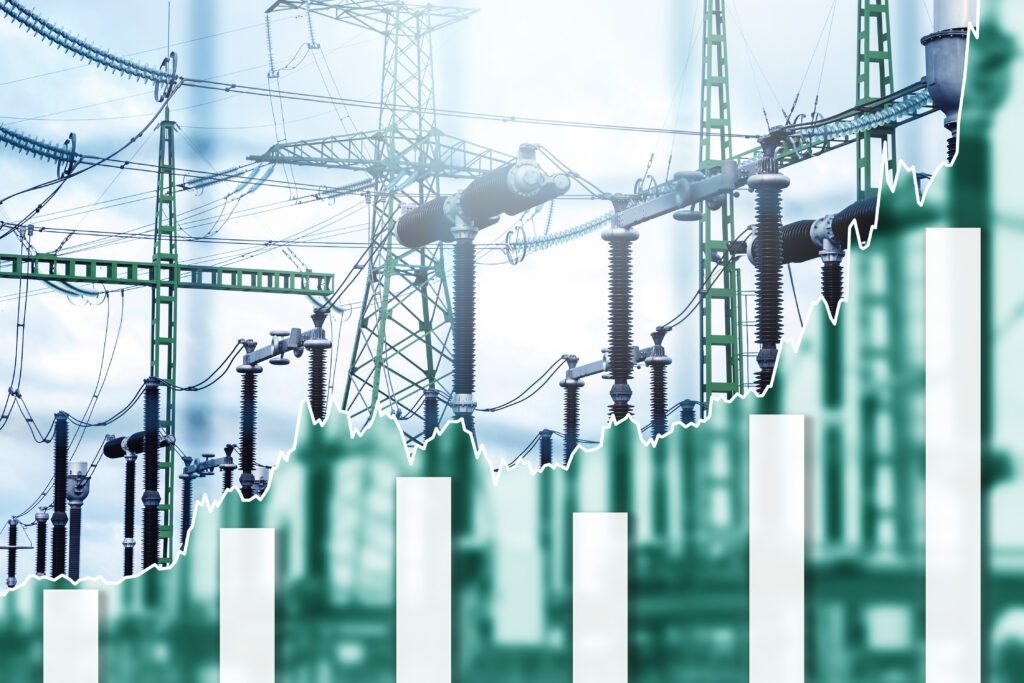
Those differences affect the cost of running electric and natural gas boilers. In the United States, the IEA estimated that the energy cost of operating a standalone electric boiler was roughly four times that of a natural gas boiler under the assumptions used in its analysis. That does not mean natural gas will always be the lower-cost option. Energy prices, boiler efficiency, operating hours, steam demand, and local utility rate structures all influence the actual result.
Facilities should also consider when steam is needed. A boiler operating continuously through periods of high electricity demand may face a different cost profile than equipment that can operate during lower-cost periods. Natural gas prices can also change by location based on supply, transportation, infrastructure, and market conditions.
Before selecting an energy source, compare the electricity and natural gas rates available at the actual facility. Look at how those rates align with the production schedule and expected steam demand. An industrial boiler company can use that information alongside equipment performance to develop a more realistic estimate of what the system will cost to operate.
Utility Dependence Can Determine Whether Production Continues
Electric and natural gas boilers rely on different primary energy supplies. That distinction becomes especially important when planning for an interruption.
An electric boiler needs an electrical supply capable of supporting its steam-generating load. Review available capacity, other major electrical loads, and the facility’s ability to maintain essential steam production if normal power is lost. Do not assume that an existing emergency generator can support the proposed boiler simply because it already serves the building.
Natural gas equipment requires a dependable gas supply, but the review should also account for the electrical needs of its controls, pumps, and other supporting equipment. A backup plan must address the complete system.
Before choosing a system, work with an industrial boiler company to identify the utilities and supporting equipment needed to maintain essential operations. Determine how a utility interruption would affect steam production and what steps would be required to restore service. This gives your facility a realistic plan for keeping critical processes running, without assuming that one energy source is inherently more reliable than another.
Installation Problems Can Become Production Problems
A successful installation begins well before equipment arrives. Utility connections, access, supporting equipment, and commissioning all need to fit the facility and its operating schedule.
Electric boilers eliminate the need for a gas connection and combustion exhaust stack at the unit. Clayton’s V-Series uses stainless steel heating elements and forced circulation to produce steam electrically. Those features can simplify certain aspects of installation, but they do not remove the need to confirm electrical infrastructure.
For an electric project, review service capacity and any required electrical work early. For a natural gas project, address fuel supply, combustion air, and exhaust venting. ABMA identifies these as components of the fuel-fired boiler generation system, alongside feedwater and other supporting equipment.
Installation planning should include a clear discussion with industrial boiler companies about equipment access, connections to existing systems, and any work that requires a shutdown. Resolving these details early helps prevent disruptions and gives the operating team time to prepare the new equipment for service when production needs it.
Energy Infrastructure Belongs in the Cost Comparison
Energy cost is not limited to the utility bill. A facility also needs the infrastructure required to deliver enough electricity or natural gas to operate the boiler at the required capacity.
An electric boiler may require additional electrical service capacity, transformers, switchgear, wiring, or other upgrades depending on the existing facility. The IEA identifies grid connection costs as a potential barrier to industrial electrification and notes that these costs can vary considerably between locations. A facility with sufficient electrical capacity already available will face a different project than one requiring a major utility or electrical upgrade.
Natural gas systems have their own infrastructure requirements. A facility must have adequate gas service to meet boiler demand, along with the combustion air, exhaust venting, and supporting equipment required for the installation. If sufficient gas service is already available, those costs may be limited. If new or upgraded service is needed, they become part of the project cost.
This is why equipment price alone does not provide a complete comparison. Review existing utility capacity early and identify what must be added or upgraded before the boiler can operate. Those infrastructure costs belong alongside equipment, installation, energy, maintenance, and production requirements when evaluating the real cost of either system.
Slow Startup Can Put the Entire Shift Behind
The first steam demand of the day is an operating requirement that deserves the same attention as peak output. Equipment must be ready when the process needs heat, rather than forcing production to wait for the boiler room.
For a facility with intermittent demand, startup performance also affects how the system is managed between production periods. A lengthy restart may encourage operators to keep equipment hot even when little steam is needed.
Clayton steam generators can start from cold in as little as 5 minutes, helping facilities bring steam online quickly. Actual readiness depends on the complete installation, including the distribution system and process equipment. When evaluating an industrial steam boiler manufacturer, ask how long it takes for steam to reach the process during a routine cold start or after an unplanned interruption, and what steps staff must complete along the way.
A clear answer helps production teams plan around the actual performance your facility can expect, rather than an idealized application based on someone else’s application.
Changing Demand Tests the System Beyond Its Rated Capacity
A boiler’s maximum output is only part of its performance story. Daily operation also depends on how well it handles shifts in steam demand, from equipment starting up to production lines slowing down.
When several processes need steam at once, the system must respond while maintaining the required pressure and steam quality. As demand drops, it must adjust to the lower load without disrupting operations.
Published capacity ratings reflect specific operating conditions. Differences in steam pressure and feedwater temperature can affect available output, making it important to evaluate equipment against your facility’s actual requirements.
When comparing high-pressure steam boiler manufacturers, review performance across the full operating range. Consider minimum and maximum demand, along with how quickly the system can move between them.
For an industrial steam boiler serving multiple production areas, map out equipment starts, cleaning cycles, and other recurring steam demands. This gives manufacturers a clearer picture of your operation and helps them size a system that can keep pace throughout the day.
Inconsistent Steam Can Affect Product Quality
Consistent steam pressure and quality help maintain the conditions that production depends on. When either fluctuates, the effects can carry through to the finished product.
In corrugate manufacturing, steam provides heat for forming and bonding throughout the line. Clayton’s steam generators offer precise control and rapid response to changing demand, helping maintain the conditions these processes require.
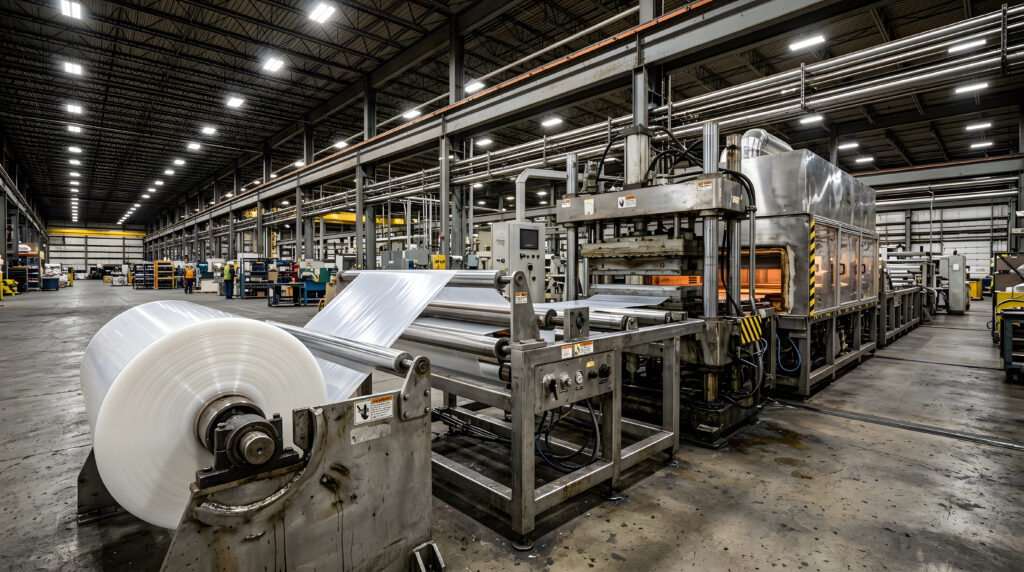
Variations outside the process requirements can lead to additional drying, rework, or rejected material. Involving production and quality teams in equipment selection helps identify where steam consistency matters most and what performance the system must deliver.
Evaluate how steam quality will be maintained across the full operating range, including its journey from the boiler to the point of use. Piping, insulation, and condensate removal all influence the steam that reaches production equipment.
When comparing high-pressure steam boiler manufacturers, look beyond the pressure rating. The system must deliver steam consistently under the conditions your process needs to produce reliable results.
Maintenance Requirements Change With the Technology
Electric operation removes combustion equipment from the maintenance scope. It does not remove the need for preventive maintenance, water treatment, or attention to the equipment that supports steam production.
Before choosing a system, review the manufacturer’s maintenance requirements with your service team. Establish which tasks can be handled onsite, which require specialist support, and how the work will fit around production.
For a natural gas system, include burner and combustion-system service in that discussion. For an electric system, confirm the inspection and service requirements of the heating and electrical components. For both, review the proposed model’s complete maintenance schedule.
Your industrial boiler company should make these responsibilities clear before commissioning. Operators need to know what to monitor, how to recognize a developing problem, and when to request service.
Clayton offers preventive maintenance, replacement parts, and support services for its equipment. Confirm the arrangements available for your location rather than leaving service planning until an interruption occurs.
A maintenance plan works best when it is practical for the people who will use it. Unclear responsibilities and difficult access can turn routine work into postponed work, allowing preventable problems to remain unresolved.
Water Quality Remains a Priority With Either Energy Source
Both electric and natural gas boilers depend on properly managed feedwater to maintain reliable performance. Changing the energy source does not remove the risk of scale buildup or other problems caused by unsuitable water conditions.
Clayton offers water treatment programs tailored to the equipment, facility, and water source. Through monitoring and appropriate chemical treatment, these programs help maintain feedwater conditions that support efficient operation and equipment longevity.
Make water treatment part of the operating plan from the beginning. Establish who will perform testing, review results, and take corrective action when conditions fall outside the manufacturer’s limits.
That attention should extend throughout the steam system. The U.S. Department of Energy (DOE) steam sourcebook recommends evaluating generation, distribution, end use, and condensate recovery together. Reviewing these areas before installing new equipment helps identify existing issues that could affect its performance.
A new boiler should enter a system that is ready to support it. Addressing water quality and neglected distribution equipment early helps prevent familiar problems from carrying over into the new installation.
Backup Capacity Must Be Ready to Do Its Job
Redundancy means having additional capacity available when equipment is out of service. Its value depends on whether that capacity can support the essential steam load when it is needed.
Start by defining that load. Some facilities need to maintain full production. Others may need enough steam to complete a process safely or support essential services while the primary equipment is restored.
Then review the proposed arrangement under realistic conditions. What happens if one unit is unavailable during peak demand? How quickly can the remaining equipment respond? Does the backup rely on the same interrupted utility?
Ask industrial boiler companies to explain the operating sequence and how it will be tested during commissioning. Include maintenance outages as well as unexpected failures.
A mixed electric and natural gas installation may be worth evaluating where the application benefits from different primary energy sources. Clayton identifies hybrid integration as an option for its modular V-Series. Any proposed arrangement still needs a defined control strategy and a review of shared dependencies.
Having more equipment is useful only when the complete arrangement can deliver the steam the facility needs.
Choose the System Your Operation Can Depend On
Electric and natural gas boilers should be compared against the same production requirements. Review utility availability, startup performance, changing demand, steam quality, maintenance, and the plan for restoring service after an interruption.
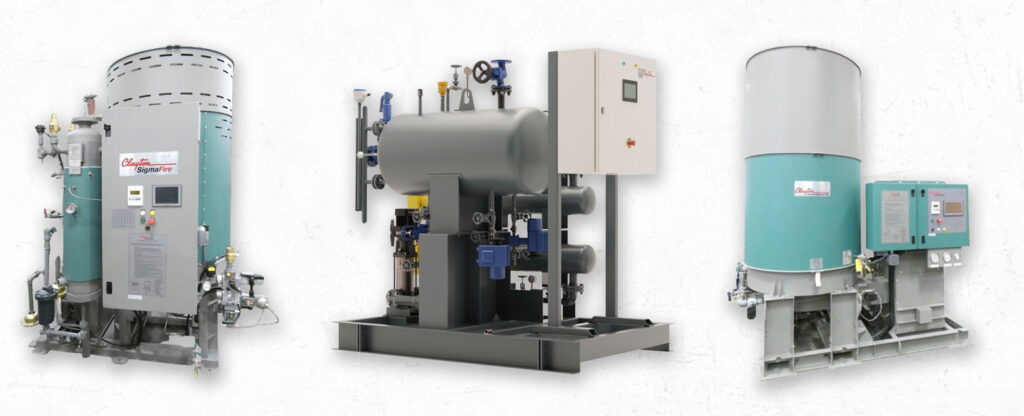
Clayton Industries also offers a full range of electric boilers.
Electric equipment can support projects seeking to remove on-site combustion. Natural gas equipment may suit facilities with an established gas supply and supporting infrastructure. In either case, the decision should follow a careful review of the application rather than assumptions about the energy source.
Clayton Industries offers fired steam generators and the V-Series electric range, supported by equipment and services for industrial steam applications. That allows the discussion to begin with your process and the conditions the system must meet.
Bring your operating schedule, steam requirements, utility information, and service expectations to a Clayton representative. Discuss where your current system causes delays, how demand is expected to change, and what your facility needs to keep running during an interruption.
The real costs of boiler selection show up in the working day: production delays, inconsistent results, and time spent restoring service. Choosing equipment around those risks helps protect the process and gives your team a steam system they can depend on.