
If your facility relies on a steam boiler, chances are you’ve heard more about NOx emissions over the last several years than ever before. With emissions standards continuing to tighten, many facilities are being asked to reduce their emissions, but struggle to find a way that doesn’t come at a cost to production or steam supply, which can be a difficult balance to find.
The immediate challenge is that NOx is a natural byproduct of combustion. Anytime fuel is burned, some level of NOx will be created, and steam generation is no exception. Creating emissions is inevitable, so in terms of practical application, the conversation turns to how much is being produced and what steps can be taken to reduce it.
Fortunately, advances in burner technology, combustion controls, and steam generation equipment have made it possible to significantly lower emissions while still delivering the steam your operation depends on.
In this article, we’ll look at a few questions, including what NOx is, how it forms inside a steam boiler, and some of the most common methods used to keep emissions under control.
What Is NOx?
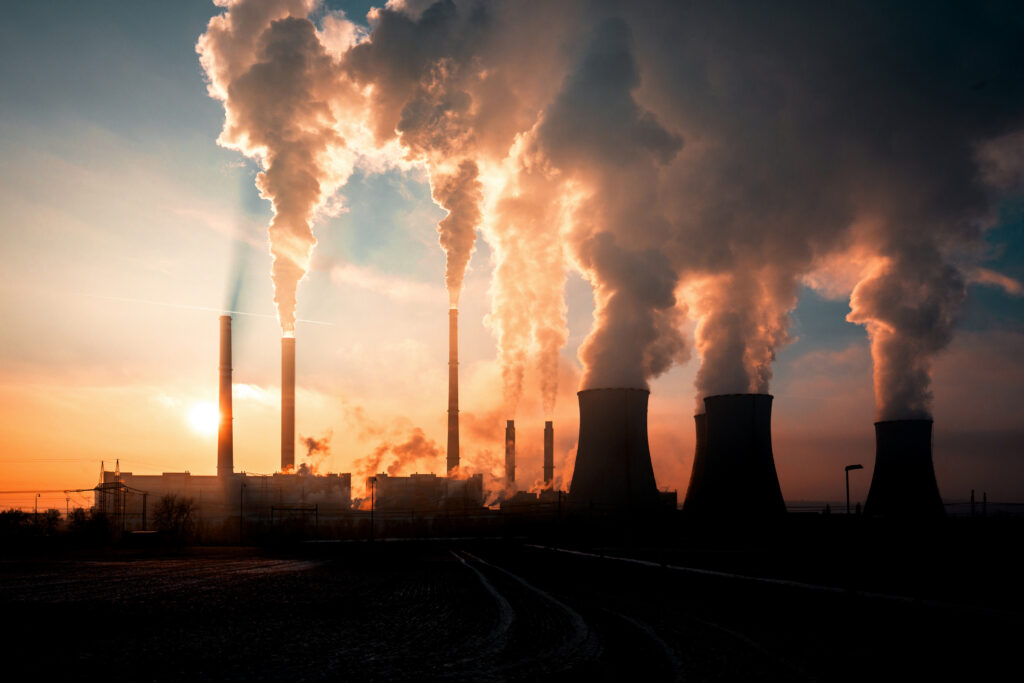
NOx is a term used to describe nitrogen oxide gases that are formed during combustion, primarily nitric oxide (NO) and nitrogen dioxide (NO₂). These gases are produced whenever fuel is burned at high temperatures. Since air contains large amounts of both nitrogen and oxygen, the conditions necessary for NOx formation exist in nearly every combustion system.
While NOx is a natural byproduct of combustion, it has become a major focus for environmental regulators over the past few decades because of its role in air pollution.
Once released into the atmosphere, NOx contributes to:
- Ground-level ozone
- Smog formation
- Acid rain
- Fine particulate pollution
With environmental awareness increasing worldwide, along with new legislation regarding emission control, facilities are constantly evolving their production practices. Steam production is no exception to this global trend, and for any industrial boiler company serving today’s market, helping customers meet these requirements has become a major priority.
How Is NOx Formed in Steam Systems?
The chemistry behind NOx formation can be complex, but the basic concept is fairly straightforward. When fuel burns inside a steam boiler, temperatures rise dramatically. At these elevated temperatures, nitrogen and oxygen, both of which are naturally present in the combustion air, begin reacting with one another to create nitrogen oxides.
Most NOx emissions generated by a steam boiler fall into one of three categories:
1. Thermal NOx
Thermal NOx is the most common source of emissions in natural gas-fired systems. As combustion temperatures increase, nitrogen and oxygen react more rapidly. The hotter the flame, the more NOx is typically produced, which makes flame temperature control one of the most important methods of controlling emissions.
For many facilities, controlling thermal NOx becomes the primary focus of emissions reduction efforts.
2. Fuel NOx
Some fuels contain nitrogen within their chemical composition, which can also be converted into NOx during combustion. Fuel NOx is more common when burning coal, heavy fuel oils, and certain biomass fuels.
Natural gas generally produces much lower levels of fuel NOx because it contains very little chemically bound nitrogen, which makes it a preference for companies to lower emissions in their industrial steam system.
3. Prompt NOx
Prompt NOx forms during the earliest stages of combustion when fuel molecules react with atmospheric nitrogen. Although prompt NOx typically represents a smaller percentage of total emissions, it still contributes to overall NOx output and must be considered when designing advanced combustion systems.
Factors That Affect NOx Production
Several operating conditions can significantly impact the amount of NOx produced by a steam boiler:
Combustion Temperature
Temperature is one of the biggest drivers of NOx formation. As flame temperatures increase, thermal NOx production increases rapidly. Even relatively small reductions in peak flame temperature can produce meaningful emissions reductions.
Oxygen Levels
Combustion requires oxygen, but excessive oxygen can create conditions that encourage additional NOx formation.
Proper burner tuning helps maintain the balance between efficient combustion and emissions control.
Fuel Types
Different fuels produce different levels of NOx. As a general rule, natural gas tends to produce lower emissions than coal or heavy fuel oils, making it a preferred fuel source in many industrial applications.
Combustion Time
The longer combustion gases remain exposed to high temperatures, the greater the opportunity for NOx-producing reactions to occur. This factor is typically controlled through the use of burner designs that help to minimize this effect without any cost to efficiency.
Reasons For Reduction
While increasing regulations do remain the driving factor behind lowering emissions, choosing to be more environmentally conscious does provide several added benefits for facilities that want to go the extra mile.
Lower emissions can also help to support broader operational goals, including:
Reduced Operating Costs
Excessive NOx levels can often be the result of poor fuel efficiency. Fine-tuning fuel combustion and general efficiency results in lower emissions, less wasted fuel, and lower overall operational costs.
Future Compliance
Going green during your planning phase can save you a great deal of time and effort in the future. Investing in low emission technology during your initial installation can allow you to stay one step ahead of changing regulations, sparing you the cost and aggravation of having to retrofit your steam system down the line to comply with regulatory changes.
Sustainability Initiatives
Depending on your region, government regulations, and local energy providers, financial incentives may be available for installations that focus on lowering emissions. In many cases, these incentives have the potential to easily exceed the price of Low-NOx technology and help to offset a large amount of the cost of a new boiler, making it an extremely worthwhile investment.
With emission regulations continuing to tighten across many regions, facilities are increasingly looking for solutions that provide both environmental and operational benefits.
This has led many organizations to work closely with an experienced industrial steam boiler manufacturer when upgrading equipment or designing new steam systems, by implementing proven technologies achieve these emissions goals.

Common Methods of NOx Control
Fortunately, there are several proven strategies available to reduce NOx emissions:
Low-NOx Burners
Low-NOx burners are some of the best, and most common ways to reduce emissions in an industrial boiler system and are specifically designed to reduce NOx. While the technology behind these burners could be an entire article in itself, the simple explanation is that a Low-NOx Burner carefully controls the levels of both fuel and air during the combustion process, fine-tuned to each individual application.
Since, as a general rule, hotter flames create greater emissions, this technology works by creating even heat that reduces the chance of “hot spots” which in turn reduces NOx. Many modern industrial boiler companies offer low-NOx burner technology as a standard or optional feature on their products.
Flue Gas Recirculation
Flue Gas Recirculation (FGR) is another well-established method of reducing emissions. While this application also works to alter flame characteristics, FGR does so by means of capturing, redirecting, and making use of exhaust gases.
As the name implies, flue gas is typically vented through a boiler’s exhaust stack, but with FGR technology, a portion of that exhaust gas is redirected back into the boiler’s burner air supply. These recycled and slightly cooled gases contain less oxygen and absorb heat from the combustion process, which helps to lower flame temperatures at the burner, and in turn helps to reduce temperature spikes and emission levels.
Flue Gas Recirculation is commonly used in facilities that must meet aggressive emissions requirements, and the practice can be combined with a Low-NOx Burner to bring emission levels even lower.
The Connection Between Boiler Efficiency and NOx
One of the most overlooked aspects of emissions reduction is overall system efficiency. Facilities often focus exclusively on burner technology, but improving the efficiency of the entire steam system can also contribute to lower emissions. According to the U.S. Department of Energy’s Steam System Best Practices, optimizing steam generation and distribution helps reduce fuel consumption throughout the facility.
Common efficiency improvements include:
- Proper burner tuning
- Routine maintenance
- Insulation upgrades
- Steam trap maintenance
- Combustion monitoring
- Blowdown optimization
A well-maintained industrial steam boiler typically consumes less fuel, operates more efficiently, and produces fewer emissions than a poorly maintained system. In many cases, efficiency improvements can deliver both environmental and financial benefits simultaneously, making them an extremely worthwhile investment.
Designing For Success
The design of the equipment itself plays a significant role in efficiency, emissions performance, reliability, and responsiveness to changing demand. With these details in mind, it becomes clear that not all equipment is equal. Modern industrial steam boiler manufacturers focus on maximizing heat transfer while minimizing wasted energy.
Advanced designs can help facilities:
- Reduce fuel consumption
- Lower emissions
- Improve steam quality
- Respond quickly to load changes
- Maintain reliable operation
These benefits become especially important in facilities where steam demand fluctuates throughout the day. When evaluating equipment upgrades, more organizations look to experienced high-pressure steam boiler manufacturers that understand the relationship between efficiency, emissions, and performance.
Choosing the Right Industrial Boiler Company
While individual specifications and price tags are important, in order to get a better measure of the long-term impact of any new purchase, facilities should consider additional factors, such as:
- Long-term reliability
- Service support
- Efficiency performance
- Emissions capabilities
- Steam quality
- Regulatory expertise
The best industrial boiler companies help customers develop solutions that address both current operational requirements and future compliance challenges. As regulations continue to evolve, working with a knowledgeable partner can help facilities avoid costly retrofits and unexpected compliance issues.
How Clayton Industries Helps Facilities Reduce NOx
For decades, Clayton Industries has helped facilities improve steam generation efficiency while meeting increasingly demanding operational and environmental requirements.
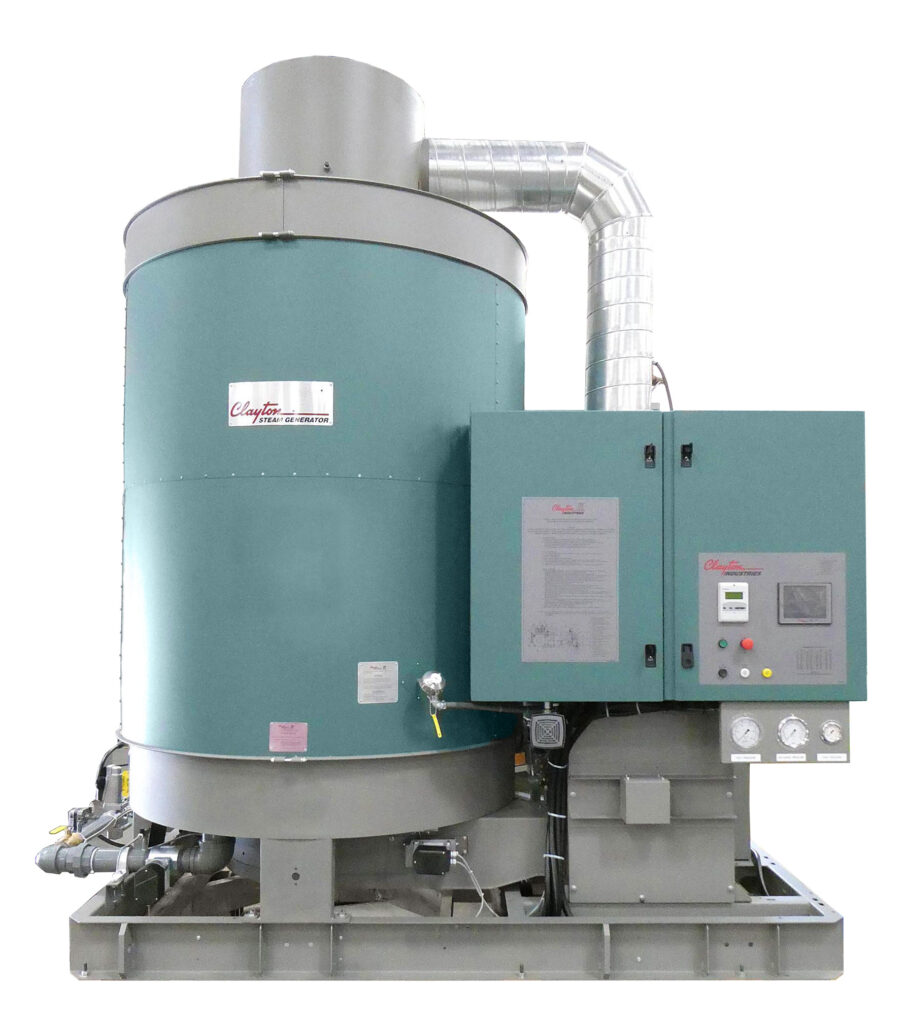
Clayton’s products were initially designed to meet local regulations in the state of California, where environmental legislation has been some of the strictest in the world for decades. In addition to our highly efficient design, Clayton offers a series of Low-NOx options to help your facility meet even the toughest of regulations without any sacrifice to reliability, efficiency, and responsiveness.
In addition, Clayton prides itself on providing steam boilers with numerous benefits:
- Deliver high-quality steam
- Respond quickly to changing demand
- Maximize fuel efficiency
- Reduce operating costs
- Support emissions reduction goals
Many facilities choose Clayton because they need more than just equipment. They need a partner that understands the challenges of balancing production demands, efficiency goals, and environmental compliance. As one of the industry’s most respected high-pressure steam boiler manufacturers, Clayton continues to help customers navigate evolving emissions requirements while maintaining dependable steam production.
Reducing NOx Without Sacrificing Performance
NOx formation is a natural result of combustion, but high emissions don’t have to be.
Through proper equipment selection, advanced burner technology, system optimization, and ongoing maintenance, facilities can significantly reduce NOx emissions while maintaining efficient and reliable steam generation.
As environmental standards continue to evolve, investing in the right steam system becomes increasingly important. Previously, the goal of the industry was to meet existing environmental requirements, but has evolved into a focus on building systems that can stay ahead of regulations for years to come.
By combining innovative engineering, efficient steam generation technology, and decades of industry expertise, Clayton Industries provides companies around the world with reliable and efficient steam production without having to sacrifice their environmental goals.