
Commercial Laundry Industry
Home > Industries > Commercial Laundry
Clayton Industries Supports the Commercial Laundry Industry
The last time you were out for dinner, would you have appreciated a stained or spotted table cloth? How appealing are stained sheets on the hotel room bed you are staying with for the night? Obviously, these situations call for great care and expertise in the cleaning and preparing of these fabrics, which is where the commercial laundry industry becomes involved.
A commercial laundry specializes in large scale cleaning services catering to business or institutions that use a high volume of cloth materials that need to be cleaned. These facilities are equipped with high volume industrial machinery to quickly wash, dry, sanitize and iron these materials. These would include the catering industry, uniforms, tablecloths and napkins, hospitals, and food service materials, as well cleaning blankets, pillowcases and sheets for hotels and convention centers.
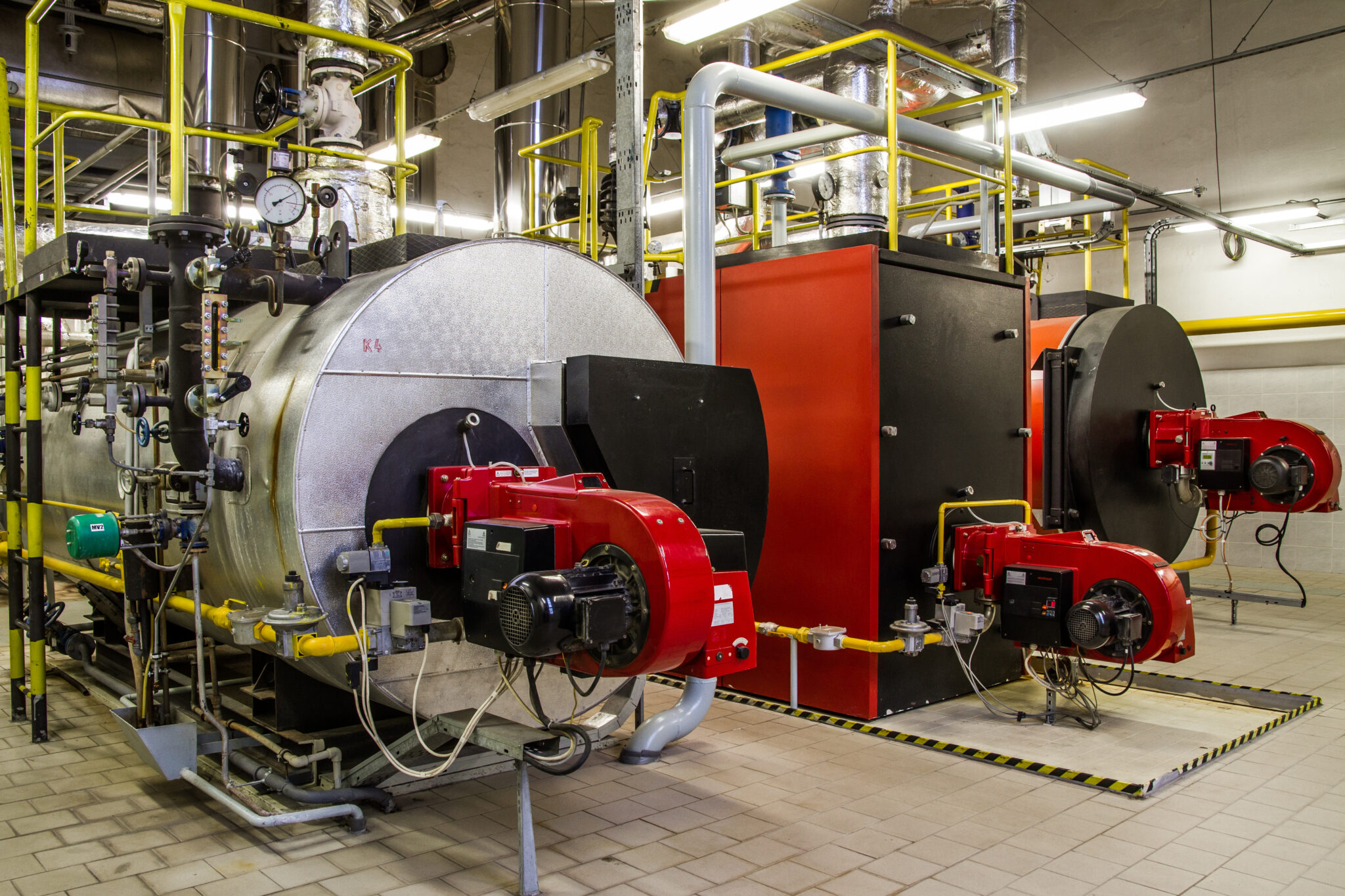
In the laundry industry, boilers are mainly used to provide steam for the industrial grade washing machines, which make use of steam injection. The process releases steam vapor and detergent into the drum to relax the fabric’s fibers, as well as loosening any stains in the garment or material, therefore making them to remove from the fabric.
Drying machines also need steam. The dryer will use hot, humid air to penetrate into the fabric reducing wrinkles and reducing static. The use of a steam dryer will also cut down on the amount of time needed to iron the fabric. Steam ironing again reduces or removes wrinkles and provides a gentler treatment for the fabric. Ironing provides a professional finished look to the uniform or garment being cleaned, which is typically achieved through a large steam press. Drying and ironing specifically requires high quality dry steam, in order to prevent materials from contaminated water droplets from leaving residue and spotting during this process.
Clayton Industries have long been the choice for the laundry industry. With their high quality steam provision and moisture content of less than a single percentage, Clayton will provide the steam so crucial to your application and cut your fuel bill while doing it.

Key Benefits
Clean Steam
Clayton offers high quality steam production that is completely free of contaminants, making it ideally suited to the laundry industry.
Reliable Steam Production
Regardless of your demands, Clayton Steam Generators can handle changing load conditions, ramping up to meet your requirements during peak hours without sacrificing steam quality.
Unmatched Safety
Clayton’s unique design completely eliminates the chance of a catastrophic steam explosion, ensuring the safety of your employees.
Featured Case Study
Success That Captivates
A Clayton Steam Generator has been in use at the Austrian based cleaning company Proxima GmbH (Furnitz) for several months, and already provides 70 percent of the hot steam required for the entire washing process.
Austria-based Proxima GmbH has only been in the textile cleaning business for two years. The relatively young company, which Managing Director Heinz Haberl describes as a “comparatively small laundry business” with a target daily laundry volume of 20 tons, has established itself successfully on the market, thanks to careful selection of its customers and high-quality standards.
Haberl himself looks back on 25 years of experience in the industry and is familiar with the problems that textile cleaning companies often face: “The level of the industry standard prices per kilogram washed has been dropping progressively over the last 10 – 15 years, which plays a major role, especially when it comes to acquiring new customers.

Frequently Asked Question's
Steam boilers supply heat for steam-equipped washing machines, dryers, ironers, and garment presses. A central steam system can support several stages of laundry processing, from heating wash water to drying and finishing linens, uniforms, and other textiles.
Start with the steam consumption of each washer, dryer, ironer, and press. Determine which machines operate simultaneously and identify their peak heating demand. Boiler sizing should also consider distribution losses, operating hours, and planned expansion rather than relying only on pounds of laundry processed per day.
Steam pressure requirements vary by machine and manufacturer. Washers, drying coils, and flatwork ironers may need different operating pressures. Specify the requirements at each machine, account for pressure losses through the piping, and use appropriate pressure controls where equipment requires a lower supply pressure.
Dry steam helps limit excess moisture during finishing. Where steam contacts fabric, contaminated water droplets can contribute to spotting or residue. Steam dryness and cleanliness are separate considerations, so both moisture control and the condition of the steam supply matter for consistent results.
In a steam-heated tumble dryer, steam supplies heat to an air-heating coil. Air passes over the coil and carries heat into the drum to dry the laundry. The coil needs effective condensate drainage and air removal to maintain heating performance.
Trapped air or accumulated condensate can prevent an ironer from heating evenly. This can reduce output and affect finishing quality. Have the steam supply, traps, air vents, and condensate drainage checked before assuming the boiler cannot provide enough steam.
Yes, provided the boiler and distribution system can meet the machines’ combined demand. Laundry loads change as wash and drying cycles begin, so the system must respond to these fluctuations. Clayton identifies changing-load response as a key feature of its commercial laundry steam generators.
Simultaneous startup can create a short period of high steam demand. If boiler output or distribution capacity cannot keep up, pressure at the machines may fall. Compare actual peak demand with available capacity and review machine scheduling and piping before deciding whether additional boiler capacity is needed.
Yes. Returning suitable hot condensate to the boiler system recovers water and heat that would otherwise be lost. This can reduce makeup-water demand and the energy needed to heat replacement water. Recovery should be limited to condensate suitable for return to the boiler.
Regularly inspect steam lines for leaks, test steam traps, maintain piping insulation, and keep the boiler properly tuned. Laundry equipment also needs effective condensate drainage and air venting. Maintaining both the boiler and the equipment it supplies helps prevent wasted energy and inconsistent heating.
Contact a Clayton Representative